Why Electric Taxis are the Safest and Cleanest Form of Travel
Comments Off on Why Electric Taxis are the Safest and Cleanest Form of TravelTravelling Safely During These Unprecedented Times
Most people are looking forward to travelling around London again, but what is the safest and cleanest form of transportation available? Are london taxis safe?
The answer is – Yes, Electric Taxis are the safest and cleanest form of travel. Here’s why:
Zero Contact Travel
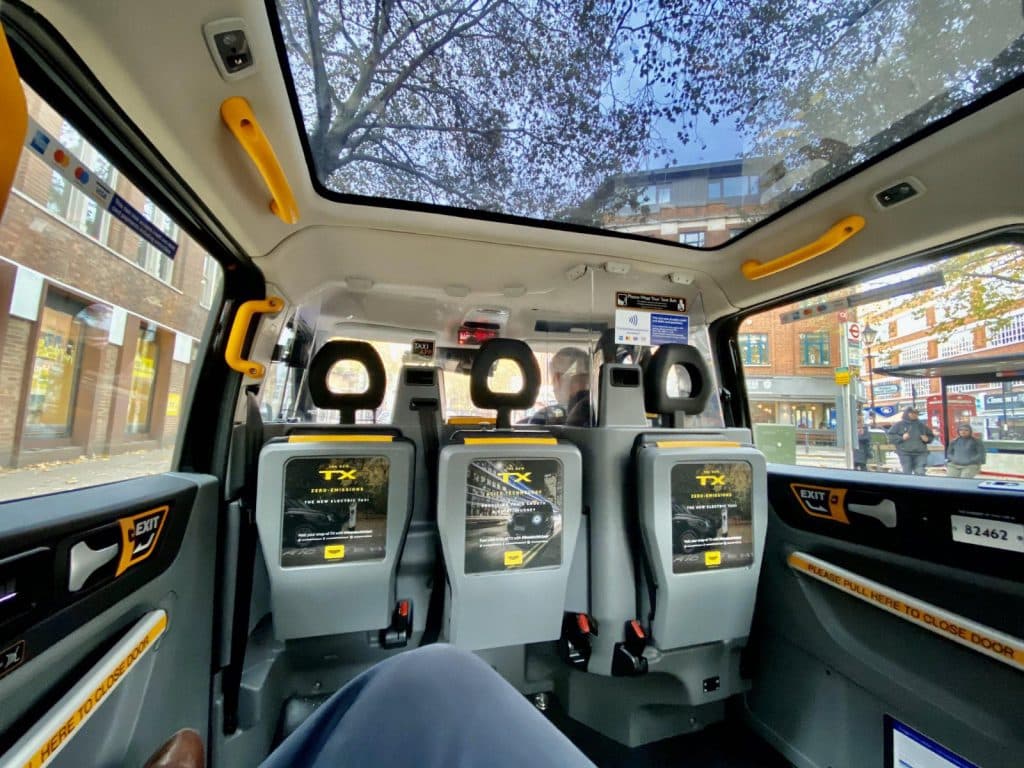
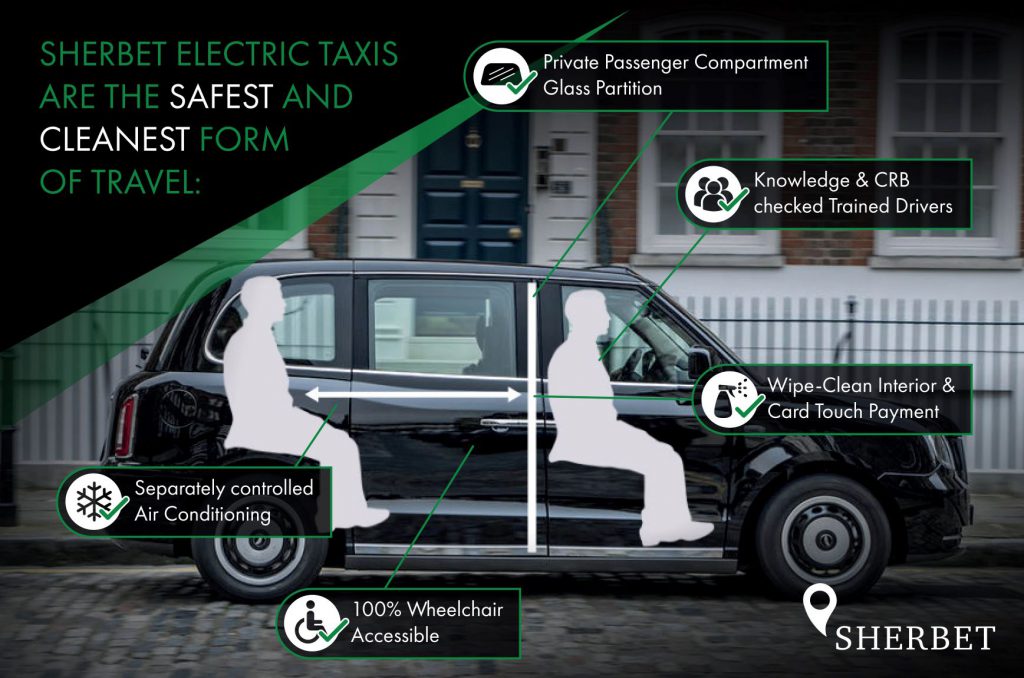
Are London taxis safe during covid? Yes – every licenced London Electric Taxi is purpose build with a secure safety partition screen to separate passenger and driver. The TXE has a Factory fitted Perspex screen and vinyl seats which does not attract germs. We also use the LEVC provided kit to completely seal any gaps. Passengers have their own space in a private compartment with a separately controlled air conditioning. What is more, a contactless or prepayment option enables you to travel cash-free.
Sanitised and Vetted Before Every Journey
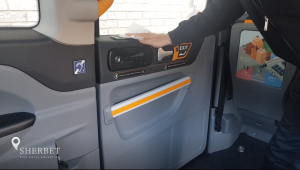 All Sherbet Electric Taxis have their interior cleaned before every journey. Safety in travel is crucial, now more than ever, that’s why we had special training by a team from the NHS to ensure our taxis meet the government safety requirements for social distancing during these unprecedented times. As per current Govt legislation, all passengers are to wear face mask unless exempt.
Green Transport
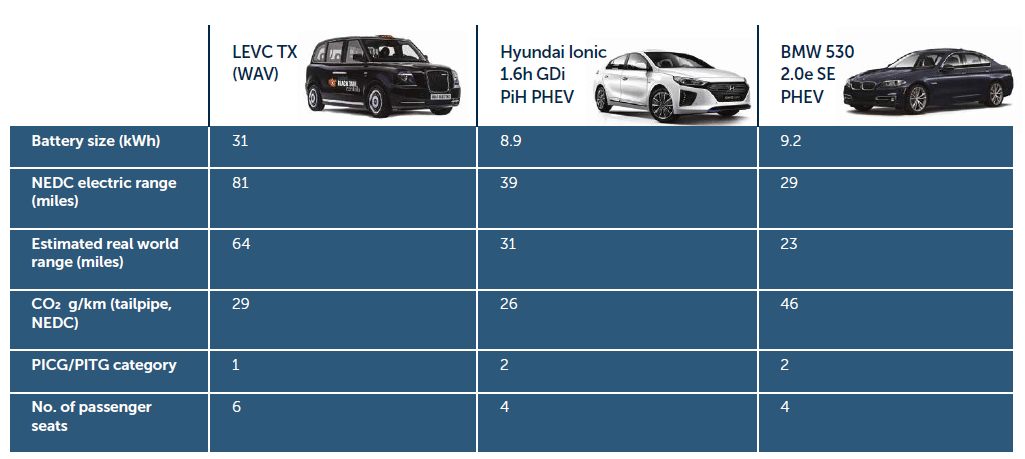
 Sherbet Ride is dedicated to fulfilling Corporate Social Responsibility through sustainable travel. All-electric licenced taxis are low emission capable vehicles and emit 29g/km of CO2 versus 222g/km in standard diesel taxi. They also use fast bus lanes and are congestion charge free.
Expertly Driven by Knowledge Trained TfL Licenced London Taxi Driers
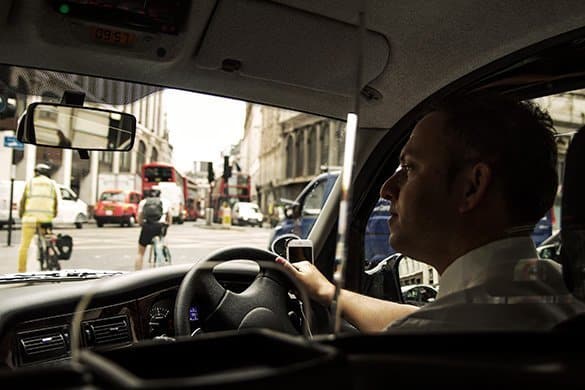 Our electric taxis are proudly driven by the worlds most qualified drivers who have all taken the world-famous Knowledge Test and been CRB checked. ‘The Knowledge’ school which usually takes 4 years – a memorised map of London including 25,000 streets and thousands of iconic landmarks. Only fully TfL licenced and accessibility trained taxi drivers are able to operate on our circuit.
To conclude, electric taxis help city travellers stay safe and protected with their purpose-built design – protective partition, contactless payment systems, and easy-clean surfaces. By choosing this safe and clean form of transportation, passengers can always stay socially distanced, in a personal and contactless space.
Get in touch with our Ride team to discuss how we can help you and your team travel safely.
We are ready when you are.
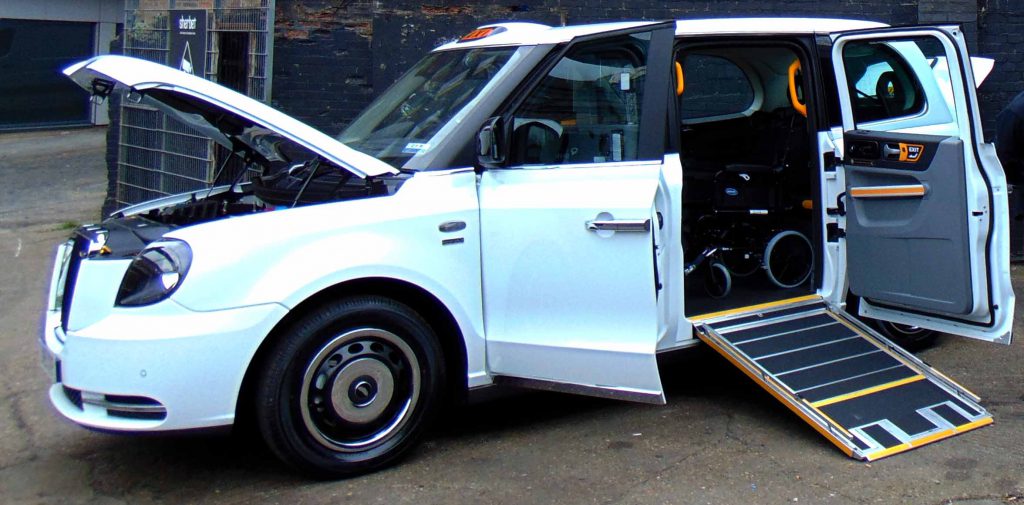 On the day we offer full training on driving the taxi, a full test drive, demonstration of a wheelchair ramp, and advice on charging options.
 ers seem keen to get back after possibly 8-10 weeks off. I think we all understand work levels will be low but we are seeing small glimmers of hope. I have seen credit card suppliers publishing transaction figures which are low but seem to be on the increase. Listening to the news the government has plans to open more businesses, we will see shops opening soon and hopefully bars and pubs. The weather is on our side so more people will be tempted to come out after weeks indoors. The trains and tubes are starting to look busier and I believe we will see more of our core customers (office workers) returning to the London offices over the coming weeks.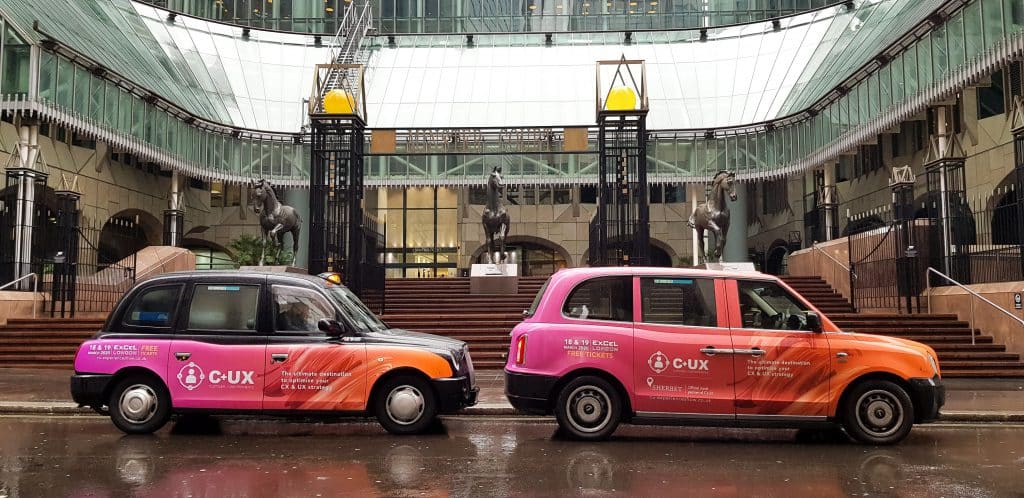



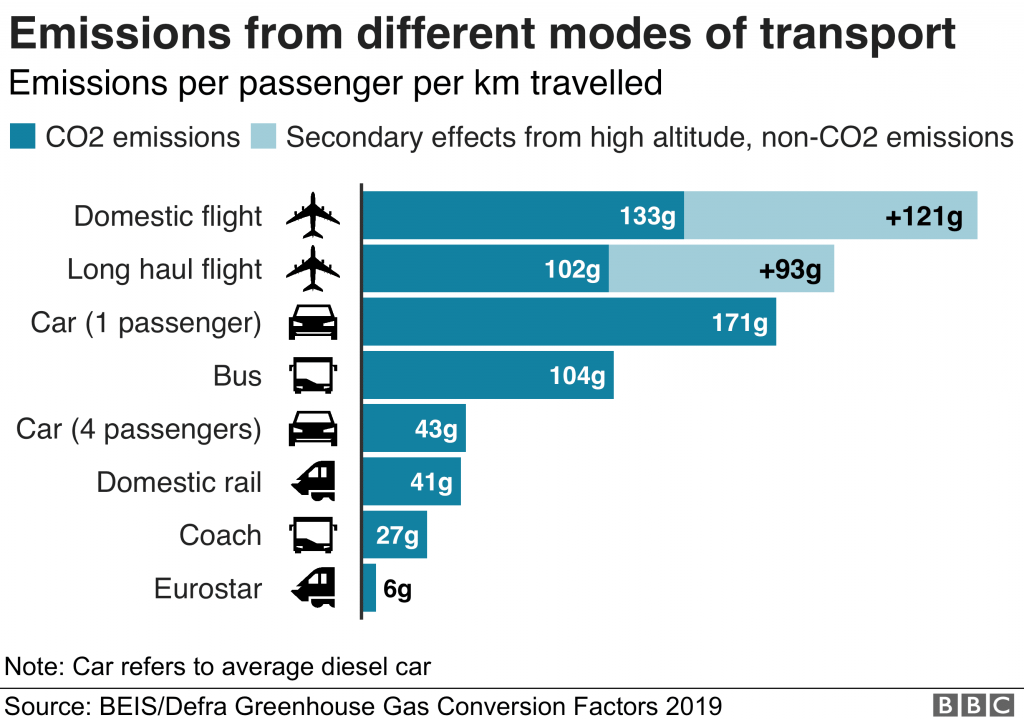
 According to the BBC, flights produce greenhouse gases – mainly carbon dioxide (CO2) – from burning fuel. These contribute to global warming when released into the atmosphere. For example, An economy-class return flight from London to New York emits an estimated 0.67 tonnes of CO2 per passenger, according to the calculator from the UN’s civil aviation body, the International Civil Aviation Organization (ICAO). It is worth mentioning that aviation contributes about 2% of the world’s global carbon emissions, according to the International Air Transport Association (IATA). It also predicts that passenger numbers will double to approx. 8.2 billion in 2037 and that the total number of emissions is set to rise.
 Compearing to flying, train journies are a lot more environmentally friendly. For example, according to EcoPassenger, a journey from London to Madrid would emit 43kg (95lb) of CO2 per passenger by train, but 118kg by plane (or 265kg if the non-CO2 emissions are included). However, the number of emissions generated by using trains and planes varies, depending on several factors, such as if the train is electric, and what way the electricity they use is generated. With regards to diesel trains – carbon emissions can be twice those of electric ones. For example, some diesel trains can emit more than 90g of C02 per passenger per kilometer, compared with about 45g for an electric Intercity 225, figures from the UK Rail Safety and Standards board show.
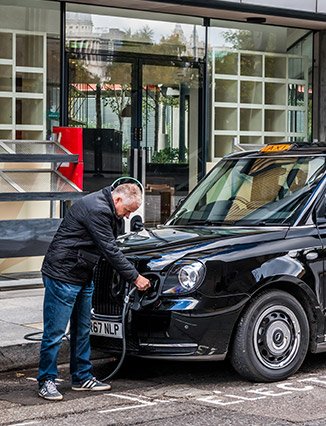
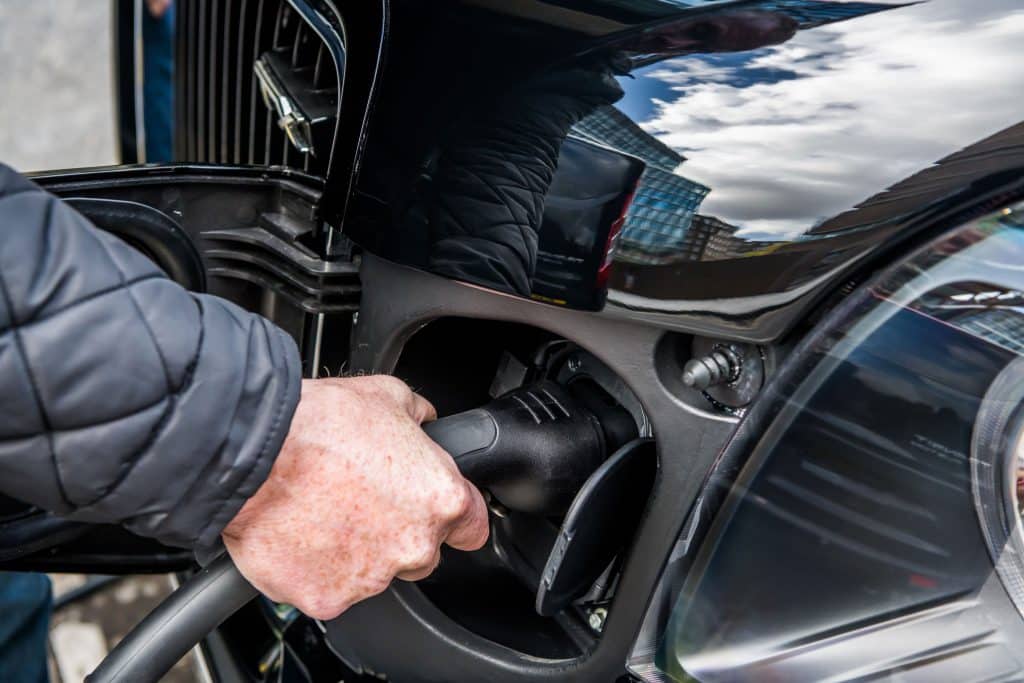 Driving can be better than flying and taking a train – if the car is electric. The popularity of Electric vehicles (EV) is increasing very strongly. According to CarbonFootprint.com In the UK electric vehicles, were ca.14% of the new market in Dec 2019 and by 2035 it’s forecast that all new car sales in Europe will be electric vehicles. London is one of 20 global cities leading on electric vehicles, including taxis. For example, an electric taxi emits 29 g/km CO2 in comparison to a diesel one with 222 g/km emissions of the CO2.